Sander Saar, founder of AgentCDN, making videos work inside AI






Creating
Shorts

Reviews
Best Bluetooth Wireless Headphones? B&O Beoplay H9 Review - In Comparison With Bose QuietComfort 35
Feb 9, 2017

Xiaomi Mi Robot Vacuum - Review and Comparsion with iRobot Roomba 980
Jan 10, 2017
Uses of VR? Arguments For And Against VR? - All Things You Should Know About Virtual Reality pt 3/3
Nov 4, 2016
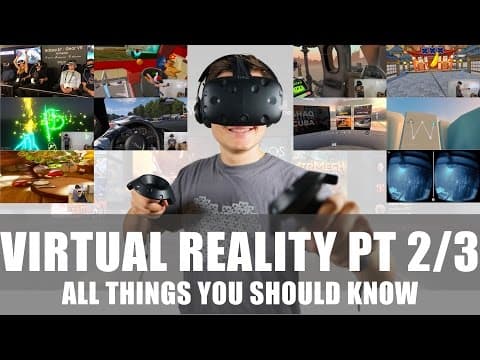
Best VR Experiences? What Is Missing? - All Things You Should Know About Virtual Reality pt 2/3
Oct 27, 2016
What is VR? History? Today? - All Things You Should Know About Virtual Reality pt 1/3
Aug 23, 2016
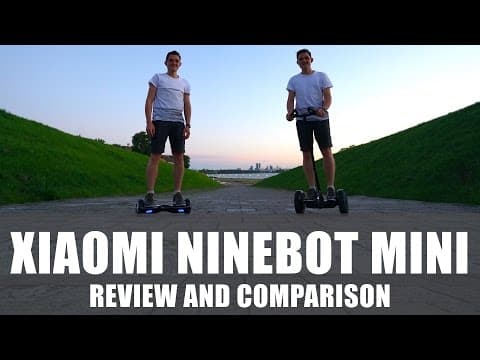
Xiaomi Ninebot Mini Review and Comparison
Aug 8, 2016

Dyson Supersonic Hairdryer - Review, Test and Comparison
Aug 1, 2016
Related videos · 8 videos
Shorts · 1
Videos · 7
Best Bluetooth Wireless Headphones? B&O Beoplay H9 Review - In Comparison With Bose QuietComfort 35
Feb 9, 2017
Xiaomi Mi Robot Vacuum - Review and Comparsion with iRobot Roomba 980
Jan 10, 2017
Uses of VR? Arguments For And Against VR? - All Things You Should Know About Virtual Reality pt 3/3
Nov 4, 2016
Best VR Experiences? What Is Missing? - All Things You Should Know About Virtual Reality pt 2/3
Oct 27, 2016
What is VR? History? Today? - All Things You Should Know About Virtual Reality pt 1/3
Aug 23, 2016
Xiaomi Ninebot Mini Review and Comparison
Aug 8, 2016
Dyson Supersonic Hairdryer - Review, Test and Comparison
Aug 1, 2016
Apps
Analysis
Articles

Best VR Experiences? What Is Missing? - All Things You Should Know About Virtual Reality pt 2/3
Loading YouTube player.
Best VR Experiences? What Is Missing? - All Things You Should Know About Virtual Reality pt 2/3
Oct 27, 2016 · 18:02
This video examines available virtual reality experiences across mobile and PC platforms, including Google Cardboard, Samsung Gear VR, Oculus Rift, and HTC Vive. Host Sander Saar demonstrates 360-degree videos, educational content, and games like Project Cars, Job Simulator, and Google Tilt Brush. Finally, the presentation addresses current technological limitations in VR, covering areas such as optics, eye tracking, audio, interaction, ergonomics, and computer vision.
Chapters
- 0:00
Introduction to VR experiences
Sander Saar introduces the second installment of his virtual reality guide, focusing on top VR experiences across various headsets.
- 0:39
Google Cardboard experiences
The host explains the accessible Google Cardboard headset, demonstrating 360-degree horror entertainment, education, virtual travel, and basic mobile gaming.
- 1:52
Samsung Gear VR capabilities
Saar highlights the Samsung Gear VR, exploring its Oculus Home interface, 360 stage performances, underwater educational apps, and puzzle gaming.
- 4:36
Oculus Rift games and content
A deep dive into PC-powered VR using Oculus Rift, examining titles like Project CARS, ADR1FT, Final Approach, and story studio short films.
- 9:02
HTC Vive room-scale VR
Exploring room-scale tracking on HTC Vive and SteamVR, featuring Job Simulator, multiplayer shooter Hover Junkers, Fruit Ninja, and Google Tilt Brush.
- 13:57
What is still missing in VR
A look at current VR limitations and upcoming advancements, including haptic feedback, sensory immersion, treadmills, standalone headsets, and social VR.
- 17:11
Conclusion and preview
Sander concludes the video by inviting feedback, recapping part one, and previewing the upcoming final episode on the future of virtual reality.
Transcript
- 0:00
Hi everybody, I'm Sander and I believe in technology. This is the second video in a 3-part series of all the things you should know about virtual reality. In this one, we're gonna go in depth about looking at all of the cool experiences out there available on virtual reality platforms and also what is missing from these experiences. So come on in and let's take a closer look.
- 0:25
When talking to my friends and family, And the first thing they ask about virtual reality is, what is cool? What is different there? Show me something. And I'm going to show you some of the examples from Cardboard, Gear VR, Oculus, and HTC Vive that I really enjoyed using. Firstly, let's take a look at Cardboard because I think that's something that a lot of you will start with as well. At least I started with, this is very simple. You just put your phone into the Cardboard, you close it, and then you can, you're ready to use almost straight away.
- 0:51
You can download Cardboard apps. And also watch videos on YouTube on that platform. What can you do in here? First of all, obviously it's an entertainment. You can go on YouTube watching some horror movies. It's pretty scary even in that cardboard if you have zombies hitting you all around you and you can look around them. The second thing is learning, going to places and actually learning about them. So you can actually look at things, tap on them, learn about them. You can go to Mars, for example, explore all the different elements there.
- 1:18
Or you can also travel different places without actually leaving your home. You can go and travel using Street View to anywhere. You can go to beaches, you can go skiing, and all those experiences are available. And the third area, in addition to entertainment and learning, is games. You can also have some basic games, basic graphical games that you have on your phone, where you can either go around, travel around games, or you can play some basic shooters. And it also has an inductive button here on top of the Cardboard that will Just slightly touch on the screen and it will allow you to interact with the phone as well.
- 1:52
The second step up from the Cardboard is Gear VR, and this one is from Samsung put together with Oculus. So Samsung has produced the hardware and Oculus has built the distribution as well as the software for that platform. You also place your phone just in that, you lock it into place, and you're ready to go. You just put it in your head, you can also connect your headphones. Most of the content is very similar that you would also get on Cardboard.
- 2:17
Obviously much more higher-end, it's much more comfortable. You can actually wear it, you don't have to hold it. It's optimized, the lenses are optimized to the screen so you don't see those sides and the top and the bottom as you see in a Cardboard. So it's much more immersive experience that you get with Gear VR. And also some of the apps available on Oculus platform, including the movies as well as the games, are much more higher-end. And it also allows you a few more interactions that you actually have on Cardboard.
- 2:43
So you can go back, you can enter, you can navigate up and down, in and out, and you can also adjust your sound on this one. When you put on Gear VR, the home interface looks very similar to the actual Oculus Rift home interface, where you have your shop, your library, and your latest used app on your home screen. The first experience I want to show you is 360 video, something that works incredibly well using just mobile VR headsets such as Gear VR.
- 3:09
Here we are looking at The Lion King 360 view where you can be on stage together with the actors. Imagine the immersion you get from that. Or imagine yourself being in a concert, listening from the front row, actually seeing the band and also seeing other people around you. In addition, there's many other 360 video experiences you can record yourself and put yourself into your memories. A second use case great for mobile VR is education.
- 3:35
Imagine rather than reading a biology book, for example, about dolphins, you can actually dive with them, be in the water in the same environment they are, just observe their behavior, and in that way immerse yourself into the content and actually learn by doing it, learn by seeing it, learn by experiencing it rather than just reading it on paper. Besides that, another big area, especially with Gear VR and the hands tracking capabilities, is gaming.
- 4:02
Everything from shooter games, basic shooter games from one standpoint to being in a space, but also in this case looking at the puzzle game from us too, which is a design studio, game design studio from London. They put together Land's End, which is a great way to actually immerse yourself into the VR experiences where you can just by your vision and using some basic interaction using the touch button on the side, solve some puzzles and move around inside the world and immerse yourself and have a much, much experience than you would have while playing on just your mobile phone screen.
- 4:37
A third one, a real virtual reality experience that I'm going to show you that is completely different from anything that I've showed you before, is Oculus Rift. And Oculus Rift is the first consumer version from Oculus, now part of Facebook, and it comes already with headsets, and it also comes already with a remote control from Xbox. So paired with these 2, you can play some really, really interesting games. One of my favorite ones available on Oculus is Project CARS.
- 5:05
And Project CARS is a game where you can drive around, you can feel as if you are in the driver's seat. You can left and right, you see the steering wheel right in front of you, and you're ready to go. And also many of the other exploration games that I really enjoy playing with Oculus. And also any other movie experience is much more fully immersive. So this is the real thing. But what you can't do at the moment, that is coming later this year, is move within an environment and actually have those tactile feedback that you already have with HTC Vive.
- 5:33
There are 2 ways to run apps on Oculus. You can either use Oculus Home, which is what it's built for, similar to for the Gear VR, or you can reuse SteamVR engine. In the first example for the roller coaster experience, I was using the SteamVR just to show you that if you're not using the proper tools, it's not going to give you the same experience what it's optimized for, because the frame rate was dropping. And actually, when you're trying to do the roller coaster experience at home, using the SteamVR example that I'm using here, and you're trying to do it while standing, you can't do that because you very easily get motion sick and you can't use that properly, even though it looks very exciting.
- 6:14
Moving on to the real stuff, what actually Oculus was built for, and the apps and games you can access from Oculus Home. Definitely one of my favorite experiences on Oculus is Project CARS. It's just so real. It feels that you're sitting in that car even though you're not actually holding the real wheel. You're actually just holding the remote, but it still feels as if you're in that car and racing with other people, and you don't get motion sickness whatsoever.
- 6:41
The frame rate is amazing and it works really well. You almost forget that you're in the game. Also, you can change the point of view. You can be behind the wheel, you can be in front of the car, you can be behind the car, you You can be on the road, but what I found was that you really need some point of reference, something stationary as you're not moving yourself, in order to feel comfortable in the car. Just look at the details, the rearview mirror, the speedometer, and all of that. It just feels so real.
- 7:08
One of the most impressive experiences I've had on Oculus is a game called Adrift, which is a first-person, no-gravity game where you're floating around in a spacecraft trying to fix and following the tasks in the game. And just getting amused by seeing the Earth and seeing the details of a spacecraft, which is just crazy and definitely will impress you when you try it yourself. Only thing is that you can't play that for too long, at least I couldn't, because I got quite motion sick after maybe about 20-30 minutes of playing the game, but it's definitely amusing and very impressive.
- 7:46
And one of the last gaming examples from Oculus that I really enjoyed playing is also Final Approach, which is a known title from iPad in its 2D version, but now in a virtual world where you have to manage an airport where you have to land and take off with planes. It's really exciting, very simple game but very immersive. Both of the last 2 games shown are also available on HTC Vive as well as Oculus. Oculus is also really invested in creating content themselves through their studios.
- 8:14
This is an example of a hedgehog, Henry, that Oculus produced, and it's not something that you would get extremely excited when you were looking at it on a 2D screen, But when you're in their environment and they're telling you a really emotional story of him not having too many friends and then trying to find friends that are also like him, it's really immersive, really emotional, and totally changes the story and the way you would feel about the content.
- 8:39
There's also plenty of other studios producing 360 and VR content on Oculus platform. This is Jaunt example where they're producing and having lots of 360 videos. The platform. For example, in this case, you can be in the front row with Paul McCartney going through the whole album experience and his talk, and actually you feel as if you were there feeling the experience and the music. And the 4th one that I want to show you is HTC Vive together with Valve SteamVR engine that is actually powering it behind the scenes.
- 9:12
This headset comes on its own, and it also has 2 sensors in the room that you have to install in order for it to track the lasers in front of it. And then you also have 2 of those tactile remote controls that you can also interact with the world around you. And by the way, you can use the whole area, open area that you have in your flat to play in, and that's a completely different experience for me, or takes the VR to a completely next level even from Oculus as it stands today.
- 9:38
Some of the coolest stuff from SteamVR that I really enjoyed playing, first of all, is the Job Simulator where you can simulate and actually go crazy absolutely with repairing a car or doing office work or being a chef in a kitchen. That's really real, and most of the people laugh when they do that, that I've showed it to. Job Simulator is graphically very basic but very immersive when you're in it because it's so relatable to the real world, the world around us, but there are no rules.
- 10:04
So anyone who's tried it, I've seen it used, and myself included, when they're using it, it just goes crazy. You just start mixing stuff they wouldn't do normally, you start chopping things, grilling things, you can make a smoothie, or you can actually follow the instructions and, and do all of the things properly as well. And when you do that, this is when the whole game can actually change into a training or an exercise or a way to learn different new skills when you go out 2 years ahead when you would actually train for a new job by using virtual reality headset.
- 10:35
It's very realistic and one of the best games to start with if you're in a full room-sized VR experience. Like the HTC Vive, but also in the future Oculus with its touch controllers. The second thing that I really enjoyed on HTC Vive is Hover Junkers, and that's actually a live game online where you can play. You can hover around with your raft and you can start shooting at people, you can hide. It's a fully immersive experience. I've completely lost myself for hours, even more, that I've actually forgot that I'm in my small apartment, a studio apartment, rather than in this kind of virtual crazy world.
- 11:10
Riding around with my hoverboard and shooting at people or fighting with them or doing all of the other things. And you can definitely, definitely fully immerse yourself with having your vision, your hearing, the tactile feedback, and the movement. We're ready to go now. Where is everybody? Let's go and see. Oh, let me actually get a gun in this hand. I'm gonna go and kill these guys. For me, this was the first time when the whole perspective shifted when I was playing live in virtual reality with other people.
- 11:40
And this is the game, whenever someone is playing that, they completely lose themselves and they forget that they're in maybe a tiny room. Last game I'm going to show you is something that many of you will find familiar from your mobile gaming times, Fruit Ninja. And when playing that in virtual world, that really shows you the possibilities of imagination, taking even just the existing IP rather than developing new one. It's not definitely as exciting and engaging as Hoverjunkers, But something that you should try out to get started with VR, especially in a room-sized environment.
- 12:14
And the third one for Vive that I really enjoyed using is Google's own Tilt Brush that they made available on SteamVR. And that transforms painting, transforms art in every possible way. A great example of that is when I went to Cannes and I saw the animator of The Little Mermaid who actually drew the initial ones on paper and now was drawing it in the 360 3D environment, so you can move in and out and see the objects in all the different sides and directions and dimensions.
- 12:43
That also means that some of the designers have to rethink how they're designing things and have to start using the VR headsets to design experiences and art specifically for these devices and these platforms. One of your hands acts like a tool where you can choose the color, the type of light you want to emit when you're drawing, and also the environment you're drawing in. In this very simple example, I'm just showing you how easy it is to do that, that I'm drawing a house in 3D environment.
- 13:10
And it's, we're not going to stop there. As it's a 3D environment, fully immersive, you can actually also go in and also draw the rooms inside the house, for example, or however far you want to take it, as in the previous example you just saw. I believe with the recent news of Microsoft bringing the 3D design tools even to Paint, and also bringing it to the browsers, and also bringing out really cheap VR headsets, This will change how we will consume web as it stands today, entertainment or art for that matter.
- 13:40
So definitely keep your eye on 3D virtual experiences. Obviously, many of the other use cases including education, travel, 360 videos, and other titles you saw on Oculus are also available mostly on HTC Vive and SteamVR engine. What is still missing from creating this fully immersive virtual experience? I think the visual side has a clear trajectory Adding more pixels and widening your field of view will make it definitely better, and that will come with hardware advances.
- 14:11
I think the audio is already there with built-in headphones and having the 360 sound. That works fine. One thing that is missing is the smell. There is very few out there that are actually testing or experimenting with smell, and none of that actually works really well. The second thing is the improvement in the tactile feedback, which I think is the most important thing to make it feel real, as if you were there interacting with the environment around you. I think those remotes do a good job.
- 14:37
I think the Oculus ones will probably do even a better one from the first initial expression or impressions that I've had with them. But there's already something out there called the Wired Glove, which actually gives you this feedback when you're touching things, that you actually have to work with your hands in order to grab something. But again, this is a step, another hardware piece that you need to have in order to make it work. There's another solution out there that is a treadmill that you can run on, omnidirectional treadmill.
- 15:02
So think about as you running around in a virtual space in a game or in a movie or somewhere else while actually being stationary in the same environment. These both are actually something that are super cool, but I think they're far away from mass adoption. They're great as experiments and show that there's a long way to go. One of the experiences from tactile experience that I've really enjoyed was the 4D experience from Samsung where they have the roller coaster experience while you're sitting on a chair that is kind of bumping up and down, left and right, in and out, and you have your Gear VR on you with a headset on, and if you go down to that 90-degree drop, you have that same feeling in your stomach as you have on an actual roller coaster.
- 15:43
So I think the tactile side can massively help the experience. And also, there are some of the companies who are experimenting with manipulating with your nervous system, actually sharing or creating the brainwaves to make you feel things that you're actually not feeling while you're there. So think about it, then you don't even need to create any of that tactile experience or any of the smells because you can control your brainwaves. But that sounds so sci-fi, and I think we're not that close to having something like that in a mass-market product.
- 16:10
Besides the technicalities of the 2 mobile and PC-based virtual reality headsets available today, I agree with Facebook that there is room for something in between, a standalone powerful virtual reality headset that you can take with you and that has a similar power as a PC one with the specific sensors needed for that, unless the mobile phones will get much better very quickly.
- 16:35
If you're interested to learn more about those specific trends, especially what needs to happen in order to make VR a mass adoption and really immersive experience, go and check out the Michael Abrash talk at Oculus Connect 3 opening keynote. It's linked in the info button up in the video description as well. And definitely also check out the John Carmack's talk at Oculus Connect 3. I'm sure you'll enjoy them. This is also where they announced the avatars that you can design yourself and also social VR, which is a huge use case that I was not able to show you, but what they've already demoed and definitely be a massive wow factor and use case for many people.
- 17:11
Thank you very much for watching this second episode on all the things you should know about virtual reality. Please vote here by clicking on that I button and showing which one of those experiences you enjoyed most or you would like to experience most. Also, if you haven't seen part 1 of this 3-part series, then go and check it out. We talk about what is virtual reality and also the short history of virtual reality and all the platforms that are out there today and why do we think it's going to happen this time than before those 2 waves.
- 17:38
And also go and check out the 3rd episode where we're going to go more in depth on the potential of virtual reality, where it can take us and what parts of our lives it can affect. And also I will share some of the arguments for and against virtual reality happening this time. So go and check them out. Thank you again very much for watching, and I hope you enjoyed. See you next time.
