Sander Saar, founder of AgentCDN, making videos work inside AI






Creating
Shorts

Reviews
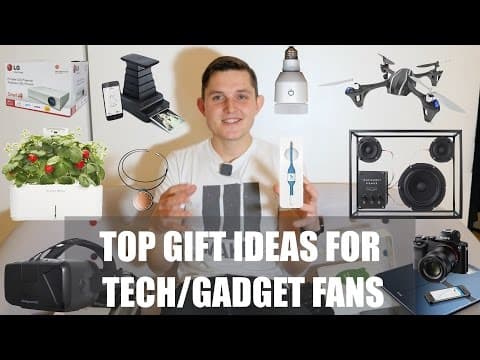
Top Gift Ideas For Tech/Gadget Fans
Dec 15, 2014
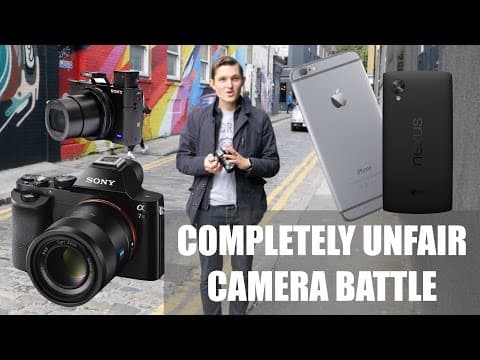
Completely Unfair Camera Battle - iPhone 6 vs Sony RX100 III vs Sony A7S - Which One To Buy?
Nov 17, 2014

Platform War - iOS vs Android - Apple vs Google - Comparison
Oct 1, 2014
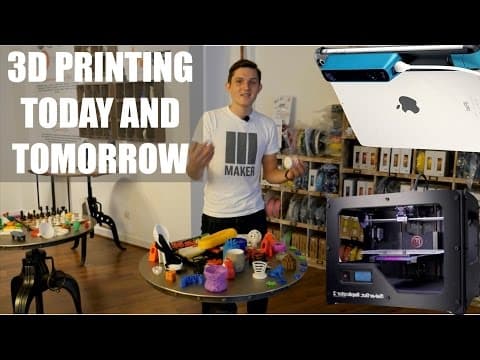
3D Printing Today and Tomorrow - the World's largest 3D store - Occipital Structure, Makerbot etc.
Sep 11, 2014

Flying above Tallinn Old Town, City, Beach, Harbour - with DJI Phantom 2 Vision+
Aug 22, 2014
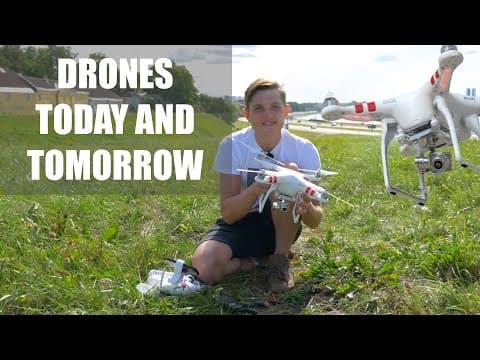
Drones Today and Tomorrow - Overview - featuring DJI Phantom 2 Vision+
Aug 22, 2014
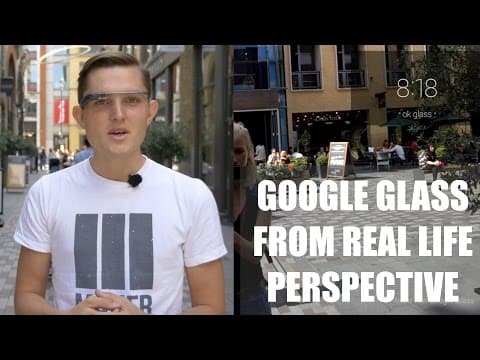
Google Glass From Real Life Perspective - What is it? What do you see? Is it useful?
Aug 3, 2014
Related videos · 8 videos
Shorts · 1
Videos · 7
Top Gift Ideas For Tech/Gadget Fans
Dec 15, 2014
Completely Unfair Camera Battle - iPhone 6 vs Sony RX100 III vs Sony A7S - Which One To Buy?
Nov 17, 2014
Platform War - iOS vs Android - Apple vs Google - Comparison
Oct 1, 2014
3D Printing Today and Tomorrow - the World's largest 3D store - Occipital Structure, Makerbot etc.
Sep 11, 2014
Flying above Tallinn Old Town, City, Beach, Harbour - with DJI Phantom 2 Vision+
Aug 22, 2014
Drones Today and Tomorrow - Overview - featuring DJI Phantom 2 Vision+
Aug 22, 2014
Google Glass From Real Life Perspective - What is it? What do you see? Is it useful?
Aug 3, 2014
Apps
Analysis
Articles

Drones Today and Tomorrow - Overview - featuring DJI Phantom 2 Vision+
Loading YouTube player.
Drones Today and Tomorrow - Overview - featuring DJI Phantom 2 Vision+
Aug 22, 2014 · 10:30
Host Sander Saar presents an overview of drones, covering their history from military origins to modern commercial and civilian uses such as search and rescue and package delivery. He demonstrates how to get started using beginner micro drones before conducting a detailed hardware walkthrough and flight demonstration of the DJI Phantom 2 Vision+. The video concludes with a discussion of regulations, a simulated parcel delivery, and aerial footage of Tallinn, Estonia.
Chapters
- 0:00
Introduction to drones
Host Sander Saar introduces drones and outlines what the video will cover regarding their daily applications and how easy they are to fly.
- 0:23
History of drones
Saar defines what a drone is and details its historical development, starting from 19th-century balloon bombs to military remote-controlled aircraft in the century.
- 1:45
Civilian and commercial drone applications
The discussion covers civilian applications for drones, including search and rescue, journalism, and parcel delivery by companies like Amazon and DHL.
- 2:46
Getting started with micro drones
Saar shows beginner micro drones as an affordable, approachable way to learn flight controls before transitioning to larger quadcopters.
- 3:17
DJI Phantom 2 Vision+ hardware overview
Saar walks through the key features of the DJI Phantom 2 Vision+, demonstrating its screw-on propellers, 3-axis gyro-stabilized camera gimbal, and mobile app controller setup.
- 5:26
Flight demonstration and controls
Saar demonstrates engine startup, takeoff, hovering stabilization, and directional flight maneuvering in an open field.
- 6:34
Regulations, cost, and delivery demonstration
Saar discusses airspace regulations, prices, and future delivery potential, followed by a simulated shirt delivery via drone.
- 8:49
Aerial footage of Tallinn and credits
The video finishes with cinematic aerial drone footage of Tallinn, Estonia, showcasing historic architecture, beaches, and city landmarks accompanied by closing credits.
Transcript
- 0:00
Hi, I'm Sander, and today I'm going to talk about something that I've been really excited about. What are these things that we're seeing around us more and more often these days? And what's the use of drones in daily life? And also, is it easy to get one and start flying yourself? We're going to find out those things in this video. So what are drones?
- 0:26
Drones are just unmanned aerial vehicles, or remotely controlled aerial vehicles, also known as drones in our our daily lives. Drones are actually just aircraft without a human being on board. Drones are actually nothing new. They go back to the 19th century when Austrians used the first balloon filled with bombs to attack their target. After that, drones went through a vast development through the World War, through the First World War, obviously, when the drones got smaller and they were more attractive and more accessible for more militaries.
- 0:59
In addition to that, in 1935, that was the first time when a remote-controlled drone was developed, obviously making it much more exciting because it started people talking about in the 1960s about actually not sending their, their army or their humans on board to a war zone because it was an easy way to lose a life. And as the drones were developed and they got smaller and smaller, more accessible, higher performance, in the 1980s and 1990s US Army started buying more and more drones to their fleet.
- 1:34
Now they have more than 5,000 drones in their army compared to twice less manned aircraft, which is a massive, obviously, development for drones. In addition to military use, drones have become more and more useful and more and more accessible for everyone, really. So, for example, police use it to monitor public places, It's also used by the Red Cross to, for example, deliver goods in areas that are difficult to access.
- 2:04
Obviously, journalism has benefited a lot from having access to drones. Obviously, you have a great and super easy access to places where you can otherwise very difficult to fly in or they're dangerous. In addition to drones have become part of our daily lives, there are now, for example, DHL and Amazon who are developing their own drones for delivery or parcel delivery. In addition to that, there's also, for example, United Arab Emirates who will be delivering your documents, your official documents, with drones.
- 2:35
So you can imagine a drone arriving, you put your fingerprint on it, and it will give you your passport, which is super really, really cool. And that makes me really excited about the future of drones. So are drones really difficult to fly? To be honest, no. Obviously everything takes practice. For example, I started about 2 years ago, there's something called micro drone, which is a great way to start and gives you an idea of how to steer or how to use one at all.
- 3:04
These micro drones actually are quite cheap as well. They go for, I think, from £30 or €50, and it's a great way to start learning how to use drone because it's built using very similar logic. I think these days one of the most popular, in addition to Parrot and Blacksheep, who are also 2 of the biggest kind of drone makers or manufacturers is DJI, and DJI especially the Phantom 2, which is, I think, one of the coolest things around at the moment, and that's the gadget that I'm most excited about myself.
- 3:37
It's very simple to assemble. It pretty much comes as it is. The only thing you have to attach is the propellers, again, which are just screw-on, very simple, and there's nothing else. On the body there's a battery. Obviously there's a GPS built in. And there's a camera underneath that makes it really cool, and the camera is gyro-stabilized on 3 axes. So when I do all kinds of movements, you see the camera stays in exactly the same location.
- 4:03
And in addition, it's got some signal lights underneath to indicate which direction you're flying and also so you don't lose sight of your drone. Everything is controlled by a remote control that also comes with it and your mobile phone. So what can you do here? There are really 2 sticks here. One on the left is to say throttle, with what you can go up and you can go down. You can then turn around its own axis to left and to right, and also kind of a steering wheel or steering stick, which is forward, backward, left, and right.
- 4:38
In addition to that, there's a Wi-Fi extender that also connects to your phone, so you get a real live feed on your phone from the camera. So if I put the camera up now like that, you should see You should see, yeah, it's a really, really cool feed. And obviously you can then record, take photos, take videos, see all your flight data, and also get the drone to come back to you. The flight time with this drone is 25 minutes with one battery, and you can obviously extend that by using external additional batteries.
- 5:08
And the range is roughly 1,000 feet, which is in meters, that would be like 400 meters, which is still far, far away, obviously making sure that there's nothing obstructing what's around you. So that's what the drone looks like. And after watching a few YouTube videos, I think 3 or 4 videos, we already went out to the forest and tried out ourselves what it is to fly a drone.
- 5:34
It's very simple. You just turn on the engines by holding the sticks down in the corner. The engines turn on, as you can see, the propellers are on. And the first thing you do, obviously, you go up. And the throttle is actually neutral. So let's see, when I go up and let go it automatically gyro stabilizes the drone to stay in the same place where I left that. So I can pretty much be completely hands-off, obviously keep my eyes on the drone.
- 6:00
And the first moves you do with the drone is you can move backwards, you can move forwards, you can turn left, and you can turn right, and the drone will follow you And that's how you actually practice, and practice makes perfect, right? As we all know. Especially with drones, making sure all your moves are really smooth, and that's how you get these amazing videos that we've all seen around the web.
- 6:28
So it's super simple, as you can see. Just by watching a few videos, you'll be up in the air as well and flying. So what is still needed for drones, or why everyone doesn't have one? I think drones are pretty much ready to be in everyone's hands at the moment. Obviously, there's a few things there. One thing is regulatory issues. Regulatory issues in terms of, for example, European Union will have its first regulation down in 2015.
- 6:56
At the moment you just have to follow the rules. You can't fly around the airports, obviously it's a forbidden zone. There's a 5-kilometer radius and there are all kinds of people flying with them, so you never know when there's one above you if they're going to crash or not. So there's issues around that. In addition, there's a price tag, obviously. Drones are becoming more and more cheaper as they're obviously manufacturing more and more drones. But it's still a fairly expensive toy. And it's a toy, that's another thing. There's limited use besides taking photos and videos and just feeling good about yourself flying around with a drone.
- 7:28
So there's still a lot of kind of commercial uses that are due to come out very soon that will make drones more and more useful. One of the most exciting things, in addition to the aerial cinema photography of those beautiful places around you, is the delivery side for me. Think about when you go out and you order some groceries or you order some other things from an online shop, for example, and you can send your own drone to bring it for you. In this case, I've ordered some shirts from an Estonian shirtmaker and I'm gonna get them delivered just in here.
- 8:03
Only if everything was as simple as that, as getting your shirts delivered to your doorstep. But here they are, and it's very easy. I hope that we're going to have more and more examples like that in the future. I also hope that you really enjoyed the overview of drones and the potential, and you're even more excited than I am about the future of drones coming to our lives and making our lives so much easier. Not just giving us a new perspective to the world, but also doing some practical things.
- 8:32
But to finish off, I've added some clips from Tallinn, the capital of Estonia. I hope you enjoy them. If you like the video, please like it, thumbs up, subscribe to the channel, and hope to see you next time. Thank you.
