Sander Saar, founder of AgentCDN, making videos work inside AI






Creating
Shorts

Reviews

Xiaomi Mi Drone Review - Unboxing, Setup and Flight Test
Jul 24, 2016

Quick Guide To Snapchat - Why? What? Who? - 5 people to follow in tech and marketing
Mar 14, 2016

Top Smartphone Cameras - Apple, Google, Samsung, LG, Sony, Moto, OnePlus, Xiaomi
Feb 18, 2016
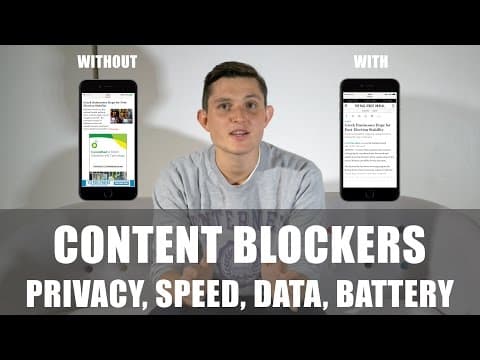
Content Blocker / Adblocker Comparison - How to improve your privacy, speed, data and battery life?
Sep 17, 2015
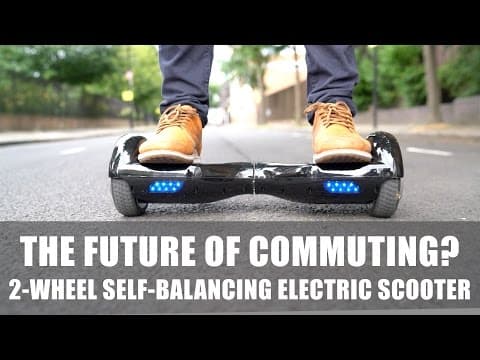
The Future of Commuting? 2-Wheel Self-Balancing Electric Scooter
Aug 17, 2015
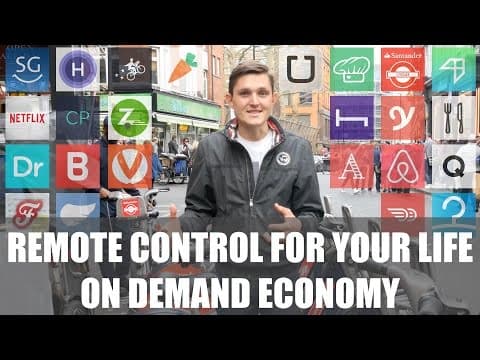
Remote Control For Your Life - On Demand Economy
Jun 2, 2015
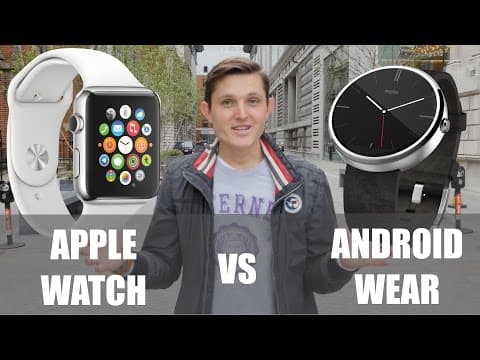
In-Depth Review - Apple Watch vs Android Wear
Apr 28, 2015
Related videos · 8 videos
Shorts · 1
Videos · 7
Xiaomi Mi Drone Review - Unboxing, Setup and Flight Test
Jul 24, 2016
Quick Guide To Snapchat - Why? What? Who? - 5 people to follow in tech and marketing
Mar 14, 2016
Top Smartphone Cameras - Apple, Google, Samsung, LG, Sony, Moto, OnePlus, Xiaomi
Feb 18, 2016
Content Blocker / Adblocker Comparison - How to improve your privacy, speed, data and battery life?
Sep 17, 2015
The Future of Commuting? 2-Wheel Self-Balancing Electric Scooter
Aug 17, 2015
Remote Control For Your Life - On Demand Economy
Jun 2, 2015
In-Depth Review - Apple Watch vs Android Wear
Apr 28, 2015
Apps
Analysis
Articles

Content Blocker / Adblocker Comparison - How to improve your privacy, speed, data and battery life?
Loading YouTube player.
Content Blocker / Adblocker Comparison - How to improve your privacy, speed, data and battery life?
Sep 17, 2015 · 5:45
This video examines how web trackers and online advertisements affect browsing speed, data usage, and privacy. Sander Saar explains the mechanics of content blocking, analyzes why traditional publishers struggle with the technology, and compares the business models of Apple and Google. Side by side speed tests evaluate iOS 9 content blockers Peace, Purify, and Crystal against unblocked browsing on mobile news sites. Saar also presents alternative monetization models for online creators, including Google Contributor and Patreon.
Chapters
- 0:00
Introduction to content blocking
Sander introduces how audience trackers and online advertisements slow down web browsing and consume data allowance, noting the arrival of mobile content blocking.
- 0:26
What content blocking means
The host defines content blocking and explains how tools like Ghostery expose hidden web tracking to provide faster browsing and greater privacy.
- 1:10
Why traditional publishers avoid the topic
Sander explores why publishers avoid discussing ad blocking due to their reliance on ad revenues, and looks at ad block growth statistics.
- 2:06
Mobile ad blocking and platform differences
The discussion turns to mobile devices and iOS 9 content blocking support, contrasting Apple's business model with Google's ad-driven revenue model.
- 3:13
Speed test comparison: Peace vs Purify vs Crystal
Sander conducts speed tests on popular news websites to measure performance across Peace, Purify, Crystal, and unblocked browsing.
- 4:09
The future of content monetization and outro
The host suggests alternative ways to support creators such as Google Contributor and Patreon, before wrapping up the video and encouraging viewer engagement.
Transcript
- 0:00
Hi everybody, I'm Sander and I believe in technology. On an average news site you visit, there are around 40 to 100 different audience trackers loaded and 20 to 40 ads being shown to you, which slows down your experience by 2 or 3 times and costs even more in data allowance. Now it's become easier than ever to make your experience better on mobile devices. Content blocking is here. Let's take a closer look.
- 0:30
What does content blocking mean? The reality is the web is not free. We are paying for the content by giving away our own data. If you want to see how bad it is, go ahead and install Ghostery browser plugin on your PC on Safari or Chrome or Firefox or a mobile browser, which shows you how many trackers are being loaded every time you open a website. It's scary because it's not disclosed for the users. By removing third-party trackers, pixels, even the advertising placements, autoplay content, and only focusing only on the content that you came there or you opened the website for, you get back the clean, fast browsing experience with the highest privacy.
- 1:10
So why don't you see it in news? Why no traditional publishers really want to talk about it? Because who wants to show off the branch they're sitting on, right? This is where they're receiving their revenues. But the advertising or behavior tracking and the forced content that you're being shown on those websites is taking a lot of real estate. And has grown way too big, especially on mobile, and we need to talk about it. It's grown so big, of course, and the volume is going up because the prices per visitor have been going down, and they've been placing more ads and more trackers on websites to grow their revenues.
- 1:43
And most people don't think about it, or they just don't know about it. The younger generation, the under-30-year-olds, generally does. Adblock Plus, which, for example, on PCs has been used by more than 55% of under-30-year-olds in the US. And the overall penetration is about 22%. It has tripled in the past 3 years since 2012, and it's growing close to 100% year-on-year growth rate. Why is this more important than mobile?
- 2:09
Because the real estate is even more valuable, and the ads are taking even more space and speed on the connection as you're on the move using 3G, 4G, so it is even more relevant. So far on Android and iOS, you had to install a specific browser to remove ads, trackers, and gain control of your data. With the recent release of iOS 9, Apple is bringing the control back to the user. You ask why? Because Apple doesn't really care. They make money selling their products, and that's why their products are 2 or 3 times more expensive than services, and not with your data and advertising.
- 2:39
They want the customer to have the control and potentially much better web experience. It can also be seen as a competitive move against Google, really, or Android, because Android has not yet brought that option out on an operating system level. They obviously have a browser similar as you had on the iOS before. Because this is how Android and Google is making money. That's why their devices are a lot less expensive, because they're making money on the data they can collect and sell to advertisers.
- 3:06
Over 95% of Google revenues are coming from online advertising, i.e., using your data and selling it for brands' benefit. Let's take a closer look how much better the experience would be if you got rid of all the trackers and ads on those websites and only focus on content. There are obviously lots of those blockers available, like Peace, Purify, Crystal, Blocker, iBlocker, and so on, but we just wanted to test the more popular ones, the 3: Purify, Peace, and Crystal, on the popular websites like Economist, TechCrunch, and New York Times.
- 3:36
Let's take a look. So in the first example, we have The Economist. For Peace, it opened under 2 seconds, closely followed by Crystal and Purify, 50% quicker than the no-block version. The New York Times, the difference becomes even bigger. There is roughly 3 times difference between Peace and the non-blocked version. And TechCrunch, it's a much closer hit between Peace, Purify, and Crystal. Peace is a clear winner for us, and it's also the number 1 in the US and UK app stores, followed by half slower Purify and Crystal, and roughly 2.5 times slower browser version without any blocking.
- 4:09
So what does the future look like? Obviously, it's not all bad, like we have those ads and trackers, because we help creators make better content by giving them our data. That they can monetize. I believe in the ad-free world, but we as consumers also need to change, evolve, because we vote with our feet. So let's install Adblock, but also support the creators directly. There are great programs out there like Google Contributor, which removes ads on the partner websites and you invest in a monthly subscription, or Patreon, where you can support your creators directly.
- 4:40
There's also branded content, which brands fund and you see as an entertainment online. By the way, there's still some of us, I'm sure, who'd be happy to pay for their data, pay for the content with their data, but we need to be transparent about it and leave that choice to the people. So if you want to enjoy that ad-free, tracking-free experience today with improved speeds, reductions in data usage, and overall better battery life, then go ahead and install one of those content blockers today on your iOS device natively or download the browser on an Android phone.
- 5:12
But keep in mind that in order for your favorite content creators to keep putting up those articles, imagery, videos, whatever else they're creating, don't forget to support them then in other means if you're not willing to give away your data. Thank you very much for watching, guys. I hope you enjoyed that video. If you did, then give it a thumbs up, leave your thoughts below in the comments, and if you think it would be useful to one of your friends or colleagues, feel free to share it. And I hope to see you next time.
- 5:37
Bye!
