Sander Saar, founder of AgentCDN, making videos work inside AI






Creating
Shorts

Your next customer is an AI agent
ChatGPT Apps. The New App Store?
OpenAI Sora is #1 in the App Store. Hype or the future of creation?

Tried Meta Ray‑Ban Display glasses. The screen is useful. The Neural Band is game-changing.
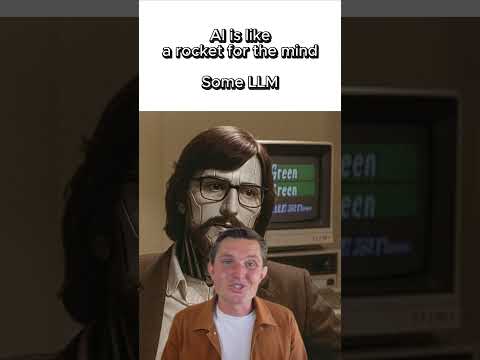
MIT study warns ChatGPT users have 55% less brain activity, but it’s missing the point!
The Web is broken: Google scrapes 18:1 visitor, OpenAI 1,500:1, Anthropic 60,000:1

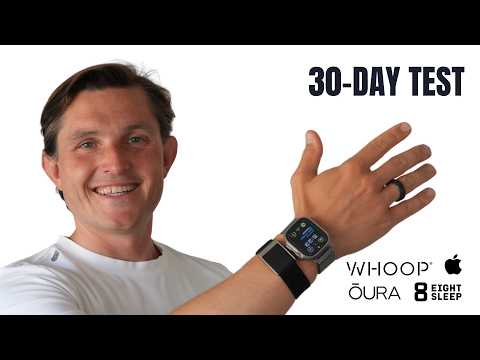
30 days. 4 top fitness trackers. Real life test. #oura #whoop #applewatch #eightsleep
Reviews
Related videos · 8 videos
Shorts · 7
Your next customer is an AI agent
ChatGPT Apps. The New App Store?
OpenAI Sora is #1 in the App Store. Hype or the future of creation?
Tried Meta Ray‑Ban Display glasses. The screen is useful. The Neural Band is game-changing.
MIT study warns ChatGPT users have 55% less brain activity, but it’s missing the point!
The Web is broken: Google scrapes 18:1 visitor, OpenAI 1,500:1, Anthropic 60,000:1
30 days. 4 top fitness trackers. Real life test. #oura #whoop #applewatch #eightsleep
Apps
Analysis
Articles

MIT study warns ChatGPT users have 55% less brain activity, but it’s missing the point!
Loading YouTube player.
MIT study warns ChatGPT users have 55% less brain activity, but it’s missing the point!
Jul 11, 2025 · 1:47
This video examines an MIT study that found ChatGPT users experienced a 55% drop in brain activity compared to using their brains alone or search engines. The host contextualizes this by referencing historical fears surrounding past innovations, such as writing and calculators, and notes research showing how AI tools can accelerate student learning. The video concludes by contrasting cognitive decline with cognitive growth, recommending that individuals think independently first before using AI to properly expand intellectual capability.
Chapters
- 0:00
MIT study on ChatGPT and brain activity
The presenter reviews an MIT study showing significant drops in brain activity and lingering neural sluggishness among ChatGPT users compared to those using search engines or their brains alone.
- 0:34
Historical fears and the positive impact of AI
The host points out that society has historically feared innovations like writing, calculators, and GPS, while highlighting recent studies where students learned much faster using AI tools.
- 1:11
How to properly amplify thought with AI
The speaker explains the importance of thinking independently before turning to AI to avoid cognitive decline and instead unlock greater intellectual potential.
Transcript
- 0:00
ChatGPT users show 55% less brain activity, and 83% can't even remember what they just wrote. But this MIT study is missing the key point of AI entirely. MIT hooked college students to brain scanners. There were 3 groups: one write essays with ChatGPT, one with Google, and one just using their own brains. And the results? ChatGPT users had the weakest neural connections, Google users dropped 34 to 48%, and the brain-only group showed the strongest activity.
- 0:26
Even worse, that 4 months later, the former ChatGPT users still showed sluggish brain activity without AI. Their brains forgot to engage. But here's the catch: these studies only test the same task with or without AI. We've always feared new tech. Plato said that writing would destroy wisdom, and parents panicked about the ability to remember phone numbers when phones arrived. Yet nobody mourns doing math on paper when calculators exist, and nobody misses paper maps when GPS and Google Maps Freeze your mind from the mundane.
- 0:54
On the contrary, Nigerian students using AI tutors with guidance learned twice as fast. Harvard physics students doubled their learning in half the time. When Steve Jobs called computers like bicycles for the mind, AI, that's the rocket ships. Why wouldn't you use superpowers for thought? But here's how. Always think first. When AI goes first, it anchors you. Like, don't think of a pink elephant. Now that's all you think about. First, generate ideas, write them down, even in a super rough form, and then amplify with AI.
- 1:23
And the real magic? When AI handles routine tasks for you, you tackle the unimaginable. The threat isn't AI. The threat is doing the same thing as before with AI. It's settling for less than you're now capable of. MIT got one thing wrong: AI doesn't damage your brain, your choices do. Use AI to push beyond what was possible before, and your brain will be challenged more than ever. Which future are you building?
