Sander Saar, founder of AgentCDN, making videos work inside AI






Creating
Shorts

Your next customer is an AI agent

OpenAI Sora is #1 in the App Store. Hype or the future of creation?

Tried Meta Ray‑Ban Display glasses. The screen is useful. The Neural Band is game-changing.

MIT study warns ChatGPT users have 55% less brain activity, but it’s missing the point!
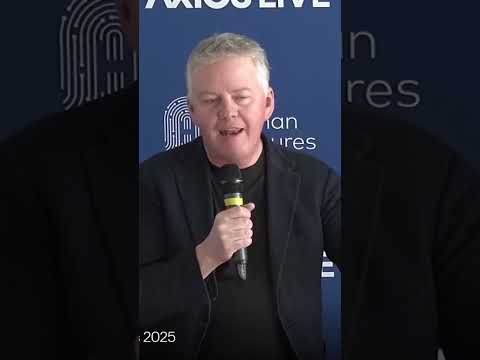
The Web is broken: Google scrapes 18:1 visitor, OpenAI 1,500:1, Anthropic 60,000:1

30 days. 4 top fitness trackers. Real life test. #oura #whoop #applewatch #eightsleep

AI video just had its ChatGPT moment 🤯 #veo3
Reviews

Related videos · 8 videos
Shorts · 7
Your next customer is an AI agent
OpenAI Sora is #1 in the App Store. Hype or the future of creation?
Tried Meta Ray‑Ban Display glasses. The screen is useful. The Neural Band is game-changing.
MIT study warns ChatGPT users have 55% less brain activity, but it’s missing the point!
The Web is broken: Google scrapes 18:1 visitor, OpenAI 1,500:1, Anthropic 60,000:1
30 days. 4 top fitness trackers. Real life test. #oura #whoop #applewatch #eightsleep
AI video just had its ChatGPT moment 🤯 #veo3
Apps
Analysis
Articles

The Web is broken: Google scrapes 18:1 visitor, OpenAI 1,500:1, Anthropic 60,000:1
Loading YouTube player.
The Web is broken: Google scrapes 18:1 visitor, OpenAI 1,500:1, Anthropic 60,000:1
Jul 1, 2025 · 2:25
The video examines how the traditional web traffic model has declined as Google, OpenAI, and Anthropic scrape vast amounts of content while sending minimal referral visits to publishers. In response, media companies are turning to copyright lawsuits or negotiating licensing deals. Cloudflare is also addressing the shift by blocking AI scrapers by default and launching a pay-per-crawl marketplace to compensate creators.
Chapters
- 0:00
The broken web traffic model
Google's referral traffic to websites has dropped significantly as zero-click searches and direct answers reduce publisher page visits.
- 0:41
AI scrapers vs publisher traffic
AI chatbots from OpenAI and Anthropic scrape far more pages while returning virtually no traffic to publishers, threatening original content production.
- 1:19
Publisher responses: lawsuits and licensing deals
Media companies split between suing AI firms for copyright infringement and negotiating high-value content licensing agreements.
- 1:38
Cloudflare's pay-per-crawl marketplace
Cloudflare introduces default blocking of AI scrapers and a pay-per-crawl marketplace to ensure creators receive compensation.
- 2:02
A new paradigm for original content
The presenter explains the transition to a web ecosystem founded on permission, fair compensation, and original human knowledge.
Transcript
- 0:00
Google sends 3 times less traffic to websites compared to just 6 months ago. It used to be 1 visitor for every 2 pages scraped. Now it's 1 visitor for every 18 pages scraped. The independent web's business model just collapsed. For 30 years, there was a simple deal: Google indexes your content and sends traffic your way. This allowed websites, from big publishers to small independents, to establish their businesses by earning revenue through ads, subscriptions, or building an audience to monetize through their own products and services.
- 0:25
But recently, things shifted. About 90% of Google searches are now answered directly on Google, without ever sending traffic to another site, known as zero-click search. Previously, it was Google's stated goal to get people off their site as quickly as possible, a principle that's still on their website, but now the tables have turned. While Google's total ad revenue is growing, Google's network ad revenue, the money that flows to publishers, accelerated its decline from -1% to -5% in just one quarter.
- 0:51
AI chatbots are making the trend even more extreme. While Google scrapes 18 pages per visitor, OpenAI now scrapes 1,500 pages per visitor, and Anthropic scrapes a staggering 60,000 pages per visitor. Studies show that people who use ChatGPT also use less of Google Search. When you can't sell ads because no one visits, when you can't sell subscriptions because AI summarizes everything, when you don't even know if anyone's reading your work, content creation suffers.
- 1:16
As Cloudflare CEO warns, and if we don't fix this, the internet's going to die. Publishers are splitting into 2 camps. Some are suing, like the New York Times versus OpenAI or Reddit versus Anthropic, for scraping their data. Others are taking the money. News Corp got $250 million, Vox Media and The Atlantic have signed their deals. The problem? When you charge OpenAI but let everybody else scrape for free, you have no leverage. You can't have a market where you don't have scarcity. So Cloudflare, who handles 20% of internet traffic, called July 1st Content Independence Day.
- 1:43
They flipped the switch, and AI scrapers are now blocked by default. They're changing the rules of the internet. If you're a robot, now you have to go on the toll road. They've created a marketplace where publishers can charge AI companies directly each time they scrape. There's even something called AI Labyrinth, well, Cloudflare's tool that feeds AI crawlers fake data to protect real content. The old web rewarded clickbait and content farms. Maybe the new one can reward content that is unique and actually advances human knowledge.
- 2:09
We don't need 100 websites providing the same cooking recipe, but we do need independent thought, investigative journalism, and creators to thrive. The old paradigm is fading, but a new one is emerging based on permission, fair payment, and genuine value for original content. Will you start charging bots for your content?
