













#DigitalFashion is replacing threads with pixels - 1.8B avatar items purchased on Roblox last year
By Sander SaarPublished Updated Length
Loading YouTube player.
#DigitalFashion is replacing threads with pixels - 1.8B avatar items purchased on Roblox last year
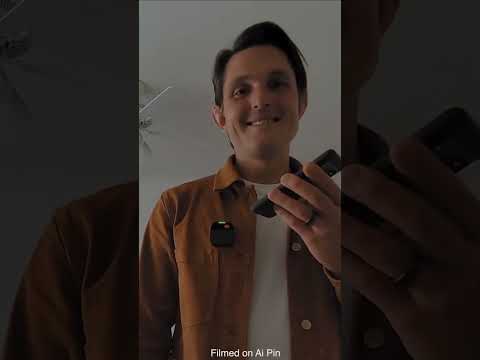
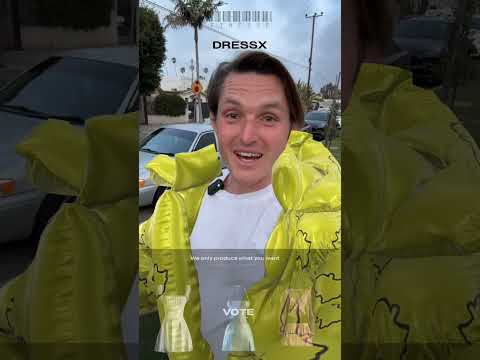
This video examines how digital fashion is used for online content, virtual try-ons, and avatars. The presenter explains that almost one in ten online clothing orders is used solely for creating online content, and shows how digital fashion from DRESSX enables ten different outfit posts to be made from a single photo without buying physical clothes. The video notes that brands are generating digital items so customers can vote on which pieces should be produced in real life and use virtual try-ons, citing John Lewis findings that users tried more than 80 virtual try-ons before purchasing. It outlines the benefits of digital fashion as sustainability, with almost no carbon or water footprint to help reduce the 95 million tons of annual landfill; inclusivity, offering a fit with no predefined sizes; and accessibility, providing affordable access to top designers. Finally, the video covers the scale of digital fashion on Roblox, noting that people spend about a third of their waking hours online and that last year 11 million creators made more than 65 million items on the platform, with 1.8 billion avatar items purchased and $624 million earned by the community. Throughout the video, the presenter appears outdoors wearing various digital outfits and accessories, alongside footage of the Roblox Home screen and an avatar.
Watch on AgentTVAsk about this video
Chapter summaries
Creating content with digital outfits
Almost one in ten online clothing orders is used solely for creating online content. Using digital fashion, ten different posts with ten different outfits were created from a single photo without buying any physical clothes.
On screenA man walks along a residential street with palm trees, houses and parked cars, wearing a shiny multicoloured digital puffer jacket, then appears in a selfie view wearing a spiderweb bucket hat, and later stands on a stage in a tuxedo and a metallic digital suit in front of a large projection screen. DRESSX text appears at the top.
Brand voting and virtual try-ons
Brands are generating digital fashion items so customers can vote on which ones should be made in real life and use virtual try-ons. John Lewis found that users tried more than 80 different virtual try-ons before making a purchase.
Sustainability, inclusivity and accessibility
Digital fashion has almost no carbon or water footprint, offers a perfect fit with no predefined sizes, and provides affordable access to top designers.
On screenThe man speaks to the camera in selfie view on a residential street at dusk, wearing a white t-shirt and a light green DRESSX digital bucket hat with animated purple flowers.
Digital fashion on Roblox
With people spending about a third of their waking hours online, 11 million creators made more than 65 million digital fashion items on Roblox last year. The presenter asks viewers if they would consider posting with digital fashion items online.
On screenThe man speaks in selfie view outdoors at dusk, wearing a tall feathered digital crown, then reflective sunglasses, and finally a light green digital bucket hat with purple flowers, while a picture-in-picture panel shows the Roblox Home screen and an avatar wearing digital clothing.
Transcript
9%, or almost 1 out of 10 orders online for clothes, gets used just for creating content online. Welcome to digital fashion. Just from a single photo, I was able to create now 10 different posts with 10 different outfits without buying a single one of them. Brands are generating digital fashion items to let you vote on which ones they should be making in real life, letting you use virtual try-on. Like, John Lewis found out that users used more than 80 different virtual try-ons before making a purchase.
Digital fashion is also sustainable. There is almost no carbon or water footprint at all. It's also inclusive. There's no predefined sizes, so everybody's going to find the perfect fit. And it's accessible. You don't need to spend thousands of dollars just to get access to the top designers. We're spending about a third of our waking hours online behind the screen. Last year, 11 million creators created more than 65 million different digital fashion items on the platform.
What do you think? Would you see yourself posting ever using the digital fashion items online?