Sander Saar, founder of AgentCDN, making videos work inside AI






Creating
Shorts

Your next customer is an AI agent

Your Videos Are Invisible to AI.
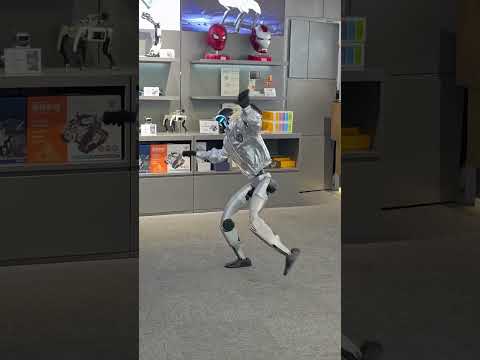
China makes the future feel normal 🇨🇳🤖
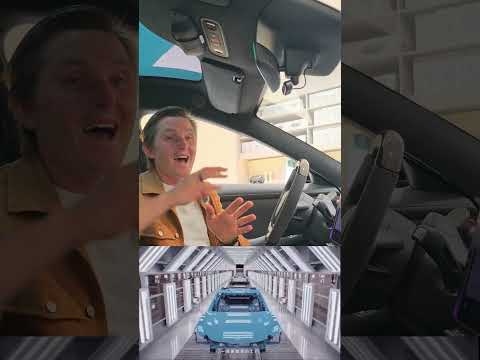
Cars in China are next level 🚙🇨🇳📈
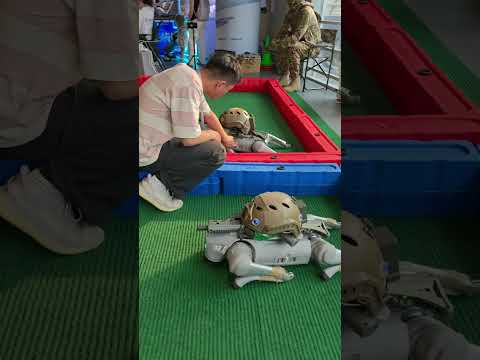
Top 10 Tech Experiences in China - Future of Tech

AI Is Now The Interface: 3 Human Skills for the Agent Era #aiagents

3 levels to your "oh sh*t” moment with AI

92% goals fail - here’s a system that might help, inspired by Daniel Pink
Reviews
Related videos · 8 videos
Shorts · 8
Your next customer is an AI agent
Your Videos Are Invisible to AI.
China makes the future feel normal 🇨🇳🤖
Cars in China are next level 🚙🇨🇳📈
Top 10 Tech Experiences in China - Future of Tech
AI Is Now The Interface: 3 Human Skills for the Agent Era #aiagents
3 levels to your "oh sh*t” moment with AI
92% goals fail - here’s a system that might help, inspired by Daniel Pink
Apps
Analysis
Articles

China makes the future feel normal 🇨🇳🤖
Loading YouTube player.
China makes the future feel normal 🇨🇳🤖
Jun 8, 2026 · 2:40
This video examines modern technological integration across China, highlighting cashless transactions using WeChat Pay and Alipay alongside rapid delivery services. It displays service robots, automated coffee kiosks, and drone deliveries operating in Shenzhen. The footage also showcases facial recognition systems, electric vehicles, high-speed rail traveling at 344 km/h, and AI exhibitions set against the futuristic architecture of Shenzhen and Beijing.
Chapters
- 0:00
Mobile payments and fast delivery
The host highlights how China operates almost entirely cashless through mobile payment super-apps like WeChat and Alipay, enabling rapid commerce and delivery.
- 0:46
Robots and drone deliveries
Service robots, robotic baristas, and autonomous drone delivery systems operate across hotels, public spaces, and parks in Shenzhen.
- 1:11
Facial recognition and digital identity
The host explains how facial scans and smartphones replace traditional for boarding transport, opening lockers, and enhancing public safety.
- 1:33
Electrified transport and high-speed rail
Urban mobility in China is dominated by electric scooters, cars, an extensive high-speed rail network, and convenient shared bicycles.
- 2:09
AI optimism and futuristic architecture
The host reflects on the positive cultural reception of AI in education and museums alongside the sci-fi architecture of Shenzhen and Beijing.
Transcript
- 0:00
In China, the future of tech feels more like every day rather than coming someday. Here are 5 things that I noticed during my trip. First, there's payments and commerce. There's absolutely zero cash or cards. As somebody said, it's like a 100-year-old technology. Using credit cards is funny for locals. From street vendors to museum tickets to vending machines to a high-end restaurant, it doesn't matter. WePay, Alipay are accepted everywhere. On metro and trains, you can even use Apple Pay with foreign payments. It's all on your phone, and super apps really work.
- 0:26
Food, rides, small business chat. While we're just getting started in the Western world, this is the default here for years. And even the 70-year-old grandparents use it. There was no other way. And through those apps, you get immediate fast delivery. It takes usually 1 to 2 days for even the smallest stores, and most of the daily necessities are delivered within 15 to 30 minutes. Amazon Prime really feels slow compared to that. Second is that the drones and robots are absolutely everywhere. From hotel lobby delivering packages and food and cleaning, to policing, to tour guides, to making barista coffee, ice cream, drawing portraits, and so on.
- 0:58
Some work exceptionally well, others have human assisting in the side still. And drone delivery is real. You can order in several locations in Shenzhen parks and get food and drinks delivered within 15 to 20 minutes. It's quite exciting walking around Shenzhen downtown and seeing the drones fly around. Third is identity. Your face and your phone are your ID. Boarding a train, plane, paying in a vending machine, opening and closing lockers, only carrying your phone, you can do almost anything. While it takes away some of your privacy, you also get value for it.
- 1:25
While other companies and governments are doing it anyway, here you can actually benefit from it as a user as well. Separately, all the tracking means that it's extremely safe in public spaces. Fourth, let's talk about public transportation and getting around. The streets are quiet. 100% Of the scooters are electric and majority of the cars are electric, which feels strange coming from a big city like LA or most European large cities. There's also a fast railway network, even levitating trains. I met people who only take trains in China, which makes sense if your ride is less than 6 hours, that it's almost always faster than flying.
- 1:53
Metro lines are abundant in cities and faster than traffic during busy hours, and also due to the fact that there's a very limited number of car licenses in large cities. Most would have enjoyed personally are the bike lanes and how abundant the shared bike schemes are. In most European and US cities, you have to hunt down the bikes, which makes it less usable for day-to-day. The 5th thing I noticed is how AI and technology is seen as a positive change and enabler, which seems intentional. From science and technology museums to innovation centers explaining and showcasing the potential of AI and technology, all the way to integrating into K-12 education.
- 2:23
Not to mention the futuristic architecture in Shenzhen and parts of Beijing, while the areas that are modernized first remain Soviet style The new parts feel very sci-fi. It gives a perfect backdrop to where the city and the country is heading. Make sure to check out my other video for my favorite tech experiences and gadgets in China.
