





Your Videos Are Invisible to AI.
The video presents AgentTV, an infrastructure designed to make video content discoverable by AI assistants like Claude and ChatGPT. It explains that search engines generally index text rather than visual content, preventing assistants from finding specific moments. The platform analyses spoken words and on-screen events to direct users to precise timestamps, whilst allowing creators to maintain control over player attribution and video visibility.
Watch on AgentTVAsk about this video
Chapter summaries
Why AI assistants cannot find video moments
AI assistants like Claude and ChatGPT fail to find specific visual moments within YouTube videos because web search engines typically index text rather than visual content.
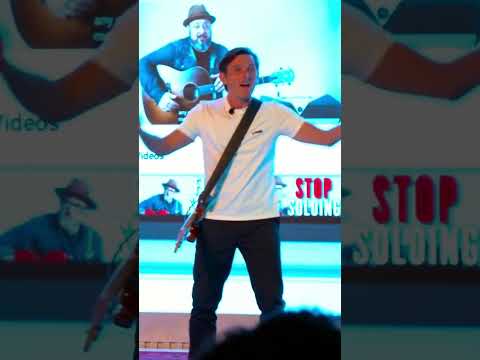
On screenA man addresses the camera against Claude and ChatGPT web and mobile interfaces showing queries about finding a robot making latte art.
Introducing AgentTV to connect video libraries to AI
AgentTV enables AI assistants to understand what is spoken and shown in video frames, allowing assistants to find exact timestamps such as a train's speed display.
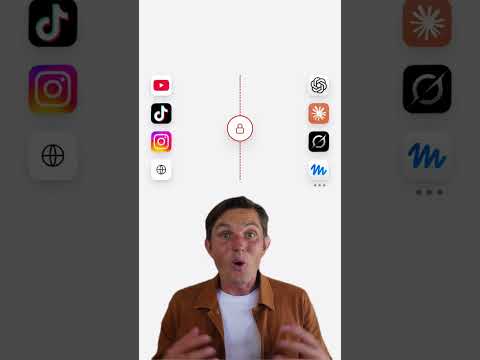
On screenThe speaker presents in front of AgentTV menus, video clips of a robotic barista and train cabin, and ChatGPT responses pinpointing exact timestamps.
Controlling discovery and maintaining attribution
Creators retain full ownership of their video players and branding while selecting which videos are made available to AI assistants and search engines.
On screenThe presenter stands in front of the AgentTV dashboard, video visibility settings, Claude search integration, and platform activity logs.
Getting started with AgentTV and checking AI visibility
Viewers are invited to connect their YouTube channel for free video analysis and run a visibility scan to see how AI agents currently perceive their content.
On screenThe presenter appears before the AgentTV landing page, sign-up buttons, and a video agent readiness audit report screen.
Transcript
I asked Claude and ChatGPT to find the robot making latte art in one of my videos. They couldn't. Publishing a video doesn't automatically make what's inside available to search and AI assistants. They might find the title, description, or in a few cases, a transcript, and still can't understand what's happening in the video. The footage was there, the answer was in it, it just couldn't reach it. Then I connected my YouTube channel through AgentCDN, the company I'm building. I asked again. It found the scene and linked to that part of my original video.
I could open it and just press play. Then I asked how fast trains go in China. The answer was 344 kilometers an hour. That number is never spoken in the video. It read that off the carriage display at 1:55. Billions of people are asking AI questions that creators and media brands have already answered in video. Agents should do the hard work of watching the content and including your videos in the answer, not just text. AgentCDN uses the leading models for video understanding to prepare what was said and what's happening on the screen so assistants can find the relevant moment.
The same library can power answers on your website, in AI assistants, and improve your discoverability in search and generative engine optimization. You keep your original videos and player with your name attached, be it on YouTube or your own. You choose which videos you make available, so someone can discover your work through a question, watch the source, and keep watching from there. We're live! Connect your YouTube channel at agentcdn.com and get your first videos analyzed for free. You can also check the visibility report for your channel or website to see how AI agents currently see your content.