










The future of smartphones is AI-first with #Pixel9 #Gemini
By Sander SaarPublished Updated Length
Loading YouTube player.
The future of smartphones is AI-first with #Pixel9 #Gemini
The presenter examines the AI software features announced for Google's Pixel 9, questioning whether a new phone is necessary when most tools rely on the cloud. Using screen recordings, he demonstrates Gemini's system-wide integration and extensions for apps including Google Flights, Hotels, Maps, Workspace and YouTube. He shows how Gemini's multimodality can summarise a YouTube video and find nearby restaurants on Google Maps. The video also covers AI photo editing tools for erasing objects, restyling and reframing backgrounds, and the Add Me feature for group photos, noting that images must be uploaded to the cloud first. Finally, the presenter points out that image generation still requires an internet connection despite promises of on-device processing, and questions whether these features will eventually reach other Android phones and iPhones.
Watch on AgentTVAsk about this video
Chapter summaries
Why Pixel 9 focuses on AI and Gemini extensions
The presenter asks Gemini why Pixel 9 announcements focus on AI software rather than hardware, then shows Gemini's system-wide integration and its extensions for apps like Google Flights, Hotels, Maps, Workspace and YouTube.
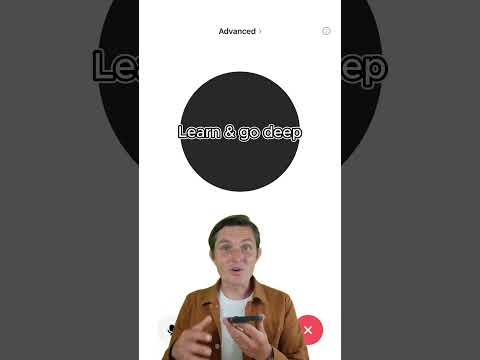
On screenA man in a brown jacket and white t-shirt films himself outdoors in a sunny park holding a black smartphone. The view switches to a screen recording of a Gemini text response, followed by a Gemini Extensions settings page with toggle switches while the presenter appears in a small picture-in-picture window at the bottom left.
Using Gemini multimodality in YouTube and Google Maps
The presenter demonstrates how Gemini's multimodality changes app interaction, showing how to ask Gemini to summarise a YouTube video or find the best nearby restaurants on Google Maps.
On screenA screen recording of a phone with the presenter in a small picture-in-picture window at the bottom left. The main screen first shows a YouTube video page with a Gemini summary card, then switches to a Google Maps street map with a Gemini card listing nearby restaurants.
AI photo editing and the Add Me feature
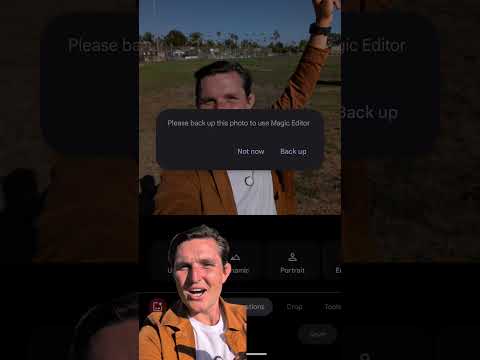
The presenter covers new AI photo editing tools such as erasing objects, restyling and reframing backgrounds, noting that photos must be uploaded to the cloud first, and introduces the Add Me feature for group photos.
On screenA screen recording of a phone photo editor with the presenter in a picture-in-picture window at the bottom left. The screen shows a park photo having a light pole removed, a generated stylised background, a backup prompt and a camera interface composing a group photo.
On-device image generation and cloud dependency
The presenter notes that despite promises of on-device image generation, an internet connection is still required, and questions whether these AI features will eventually come to other Android phones and iPhones via the cloud before signing off.
On screenA phone screen shows AI image-generation examples, a generated spaceship, an offline error screen and a Gemini promotional page, with the presenter in a mustard-orange jacket in a picture-in-picture overlay. The video ends with a full-frame outdoor shot of the presenter smiling and speaking to the camera.
Transcript
Hey Gemini, why are almost all of the Pixel 9 announcements about the AI software features rather than hardware?
AI can make even small hardware improvements feel like a way bigger deal. Hardware is kind of boring.
There's now a system-wide integration of Gemini, but still with a limited number of extensions for specific apps like Maps, Hotels, Flights, and your whole Workspace suite. With Gemini's multimodality, it truly has the potential to change how you interact with the phone and the apps. For example, you could be watching a YouTube video and say, Gemini, what's the summary of the video? Or be on Maps and ask for the best restaurants nearby. New ways of photo editing like moving or erasing objects, restyling, reframing by generating the background.
But for all of that, your photos need to be uploaded to cloud first. And for those group photos where you have nobody else to take it for you, there's now Add Me feature. Google also promises that you can now generate images on device. The reality is you still need to be connected to the internet. While Google says you need a new Pixel 9 with a faster processor and more onboard memory to enable these features, are these AI features just a scapegoat and more of them will come through the cloud to other Android phones and iPhones in the future? Anyway,